Buying A Second Home In Evergreen: Key Considerations For Front Range
June 4, 2026
June 4, 2026
June 4, 2026
Dreaming about a second home in Evergreen? You are not alone. For many Front Range buyers, Evergreen offers a mountain setting that feels like a true getaway without putting you too far from the Denver metro. If you are weighing a weekend retreat, a longer-stay escape, or a home with limited rental flexibility, the key is knowing how Evergreen’s micro-areas, county rules, and ownership demands can shape your decision. Let’s dive in.
Evergreen stands out because it combines mountain living, a rural atmosphere, and strong environmental appeal within Jefferson County’s mountain area. That mix can be a great fit if you want a property that feels distinct from your primary home while still remaining reasonably accessible from the Front Range.
The real question is not just whether Evergreen is the right market. It is which part of Evergreen best matches how you plan to use the home. A buyer looking for easy weekend use may prioritize convenience and services, while someone seeking a quieter retreat may prefer a more residential setting.
North Evergreen and Bergen Park are among the most service-oriented parts of the area under Jefferson County’s land-use framework. The county plans this area for a mix of retail, office, service commercial, community uses, and residential uses, which tends to support a more convenient ownership experience.
If you want a second home that feels easier to lock, leave, and revisit, this area may deserve a close look. The Evergreen Park-n-Ride on Evergreen Parkway also adds a practical transportation option, with free parking and bus and FlexRide service.
Downtown Evergreen and the Evergreen Lake area offer a strong sense of place, with trail and open-space connections emphasized in the county plan. For many buyers, this part of Evergreen is appealing because it blends scenery with the possibility of being closer to local destinations.
At the same time, this area calls for more careful property-level review. Jefferson County notes floodplain and steep-slope constraints in the core, so you will want to study terrain, access, and site conditions before moving forward.
South Evergreen and Kittredge read as more low-density and residential based on the county’s planning guidance. Jefferson County emphasizes maintaining the integrity of single-family neighborhoods south of SH 74, and Kittredge is intended to remain a distinct town within the broader plan area.
If your goal is privacy, a detached home, and a more tucked-away feel, these areas may line up with what you want. The tradeoff is that they may not offer the same level of service concentration or flexibility in housing type as the north and core areas.
Property type matters even more when you are buying a second home. In North Evergreen, the county specifically supports both single-family and multifamily residential development, and in some commercial areas it encourages homes above ground-floor commercial uses.
That makes attached homes, townhomes, and smaller in-town options more likely to show up near the north and core parts of Evergreen. In quieter and lower-density sections, detached homes are generally a more natural fit.
For many second-home buyers, this comes down to maintenance and effort. A smaller home in a more service-oriented area may be simpler to manage, while a larger detached property may offer more space and privacy but also more upkeep.
Financing a second home is not the same as financing a primary residence. Under Fannie Mae guidelines, a second home must be a one-unit property that you occupy for part of the year, that is suitable for year-round occupancy, and that remains under your exclusive control.
The home also cannot be a timeshare or a rental property in the usual sense. Fannie Mae further says the property cannot be subject to an agreement that gives a management firm control over occupancy.
Even when a second-home loan is allowed, pricing is often less favorable than for a primary residence. Fannie Mae also notes that certain second-home loans carry a loan-level price adjustment, which can affect your borrowing costs.
Reserves are another major difference. Fannie Mae says Desktop Underwriter requires two months of reserves for a second-home transaction, and more may be needed if you already own multiple financed properties.
That means your purchase plan should include more than just down payment and closing costs. You may also need to show enough liquid funds left after closing to satisfy lender requirements.
Some buyers hope to use a second home personally and rent it occasionally. That can still work in some cases, but Fannie Mae says any rental income from a second home cannot be used to help you qualify for the loan.
More importantly, if the property is really intended to operate as a leased asset most of the time, your lender may treat it as an investment property instead. That distinction matters because your financing terms and underwriting path can change significantly.
If you are comparing a second home with your primary residence, remember that owner-occupancy tax benefits in Jefferson County are tied to the property being your primary residence. According to the county’s exemption information, the property must be occupied as a primary residence to qualify.
In practical terms, a second home usually will not receive those primary-residence exemptions. That is an important cost item to include in your budgeting from the start.
If rental flexibility is part of your plan, local compliance deserves early attention. In unincorporated Jefferson County, the current short-term rental ordinance became effective on February 2, 2026.
The county defines short-term rentals as single-family detached homes, single-family attached homes, duplexes, or accessory dwelling units rented for fewer than 30 days. Jefferson County says these rules are intended to help protect long-term housing resources and reduce risk during emergency evacuations.
Jefferson County requires owners to obtain a short-term rental license through Planning and Zoning. The license is valid for one year, is not transferable, and applications are reviewed on a first-come, first-served basis.
For buyers, that means you should confirm a property can be licensed before you rely on rental use in your purchase decision. A home may feel ideal as a getaway and still fall short on local rental compliance.
The county’s short-term rental application guide calls for several property-specific items, including:
In mountain areas, bear-resistant trash containers are also required. These details matter because they can affect both setup costs and ongoing management.
One of the most overlooked items is road access. Jefferson County’s short-term rental form asks whether the home has direct access from a county-maintained right-of-way, and it notes that a driveway crossing another property is not considered direct access from a county road.
That makes access a major due-diligence point for buyers considering mountain parcels, shared driveways, or long private drives. It is also a reminder that lender approval and local rental approval are separate issues.
A second home in Evergreen comes with practical ownership demands that you may not face in a more urban setting. Jefferson County Road and Bridge handles snow removal on paved and gravel roads in unincorporated areas, but the county prioritizes main arterials first, then collectors and school routes, with local roads, cul-de-sacs, and dead-end roads later.
Private roads and roads not yet formally accepted by the county are not included. The county also says it may not remove packed snow and ice from residential streets that remain passable by passenger cars after lighter storms.
For you as a buyer, this means winter access is not just about location on a map. You may need to budget for driveway clearing, private plowing on some roads, and more hands-on planning than you would expect with a primary home in the metro area.
Evergreen is accessible via I-70, Highway 285, and Highway 74, which helps with regional access. Still, the day-to-day ease of using a specific property can vary quite a bit depending on the road network and site conditions.
Some Evergreen-area homes rely on private wells and onsite wastewater treatment systems. Jefferson County Public Health says homeowners are responsible for private well water safety and recommends annual testing.
For onsite wastewater treatment systems, the county says systems must be permitted and maintained. It also requires septic systems installed more than five years before a sale to be inspected and to receive a use permit before closing.
If you are buying a second home, these are not small details. Well and septic conditions can affect your costs, your maintenance schedule, and your confidence in using the home year-round.
Wildfire is another major ownership issue in Evergreen. Jefferson County says more than two-thirds of the county lies within a designated wildfire hazard overlay district, and it identifies Evergreen and Conifer among the highest-risk areas in Colorado.
The county also states that defensible-space permits are required for certain work above 6,400 feet. In addition, a new wildfire resiliency code becomes effective on July 1, 2026.
For buyers, wildfire diligence should be part of the purchase process, not an afterthought. You will want to understand the property’s vegetation, defensible space needs, insurance implications, and any future compliance requirements tied to the home’s location and improvements.
If you are shopping for a second home in Evergreen, the best approach is to match your use case to the right micro-area and then pressure-test the property against financing, access, and county compliance. That process can help you avoid buying a home that looks great online but feels much harder to own in practice.
A strong search usually starts with a few simple questions:
When you answer those questions early, you can search with much more clarity. That saves time and helps you focus on homes that truly fit your lifestyle and your risk tolerance.
Evergreen can be an exceptional second-home market for Front Range buyers, but it rewards careful planning. If you want experienced guidance on comparing neighborhoods, evaluating mountain property tradeoffs, and navigating a more complex purchase with confidence, Dolby Haas is ready to help.
Stay up to date on the latest real estate trends.
Real Estate
How We Work
October 7 -13, 2026
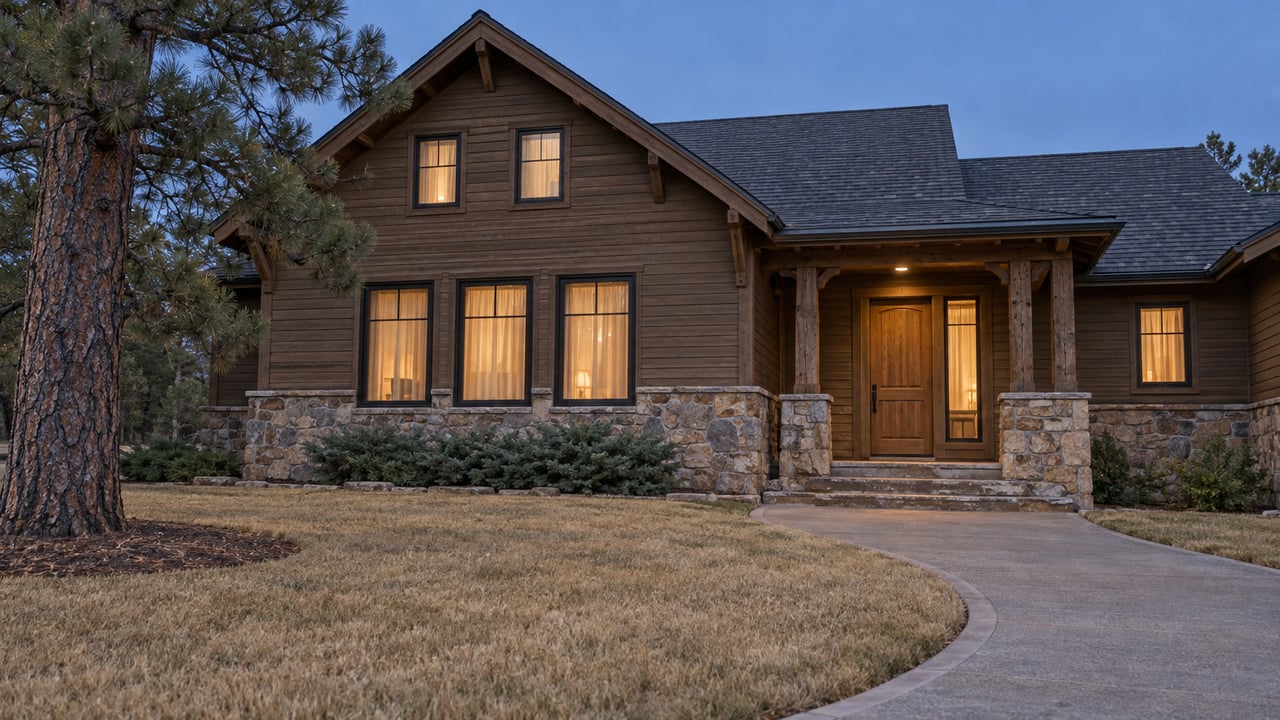

From an 87% Chance of Selling to Just 28%
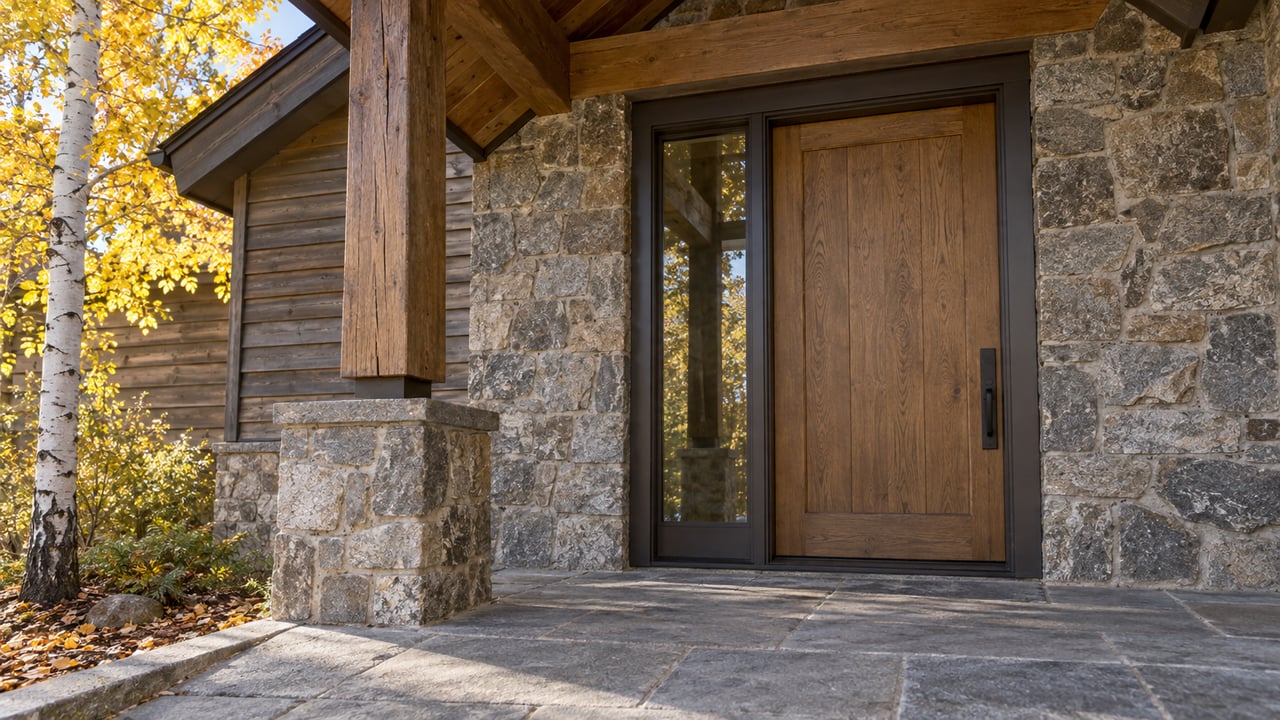

Hint: Not Honey
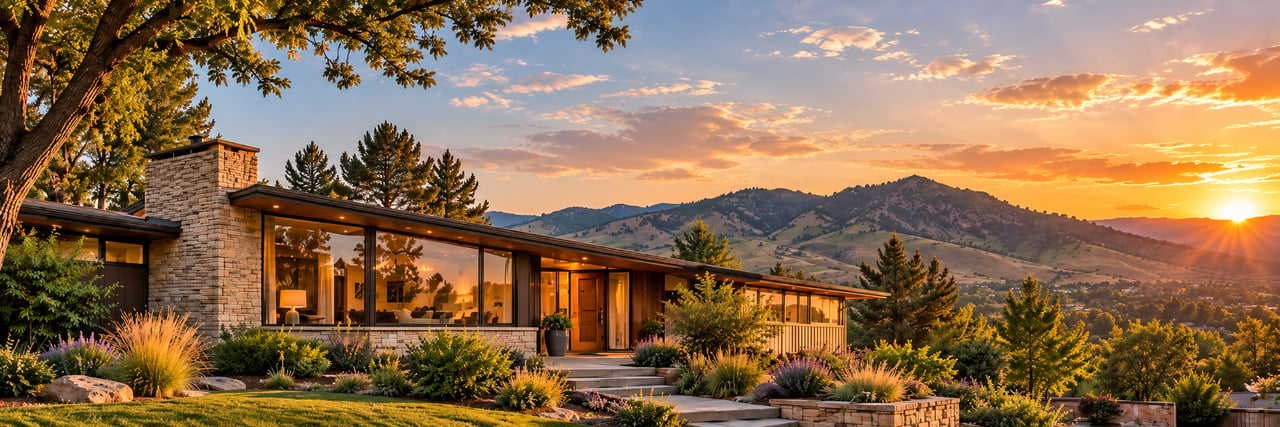
Vintage does not mean dated

The Deal Tells the Story
Dolby Haas has established a reputation for outstanding performance including several recording-breaking sales from Northern Colorado Springs, Evergreen, Greater Denver, and Broomfield. Contact him today!