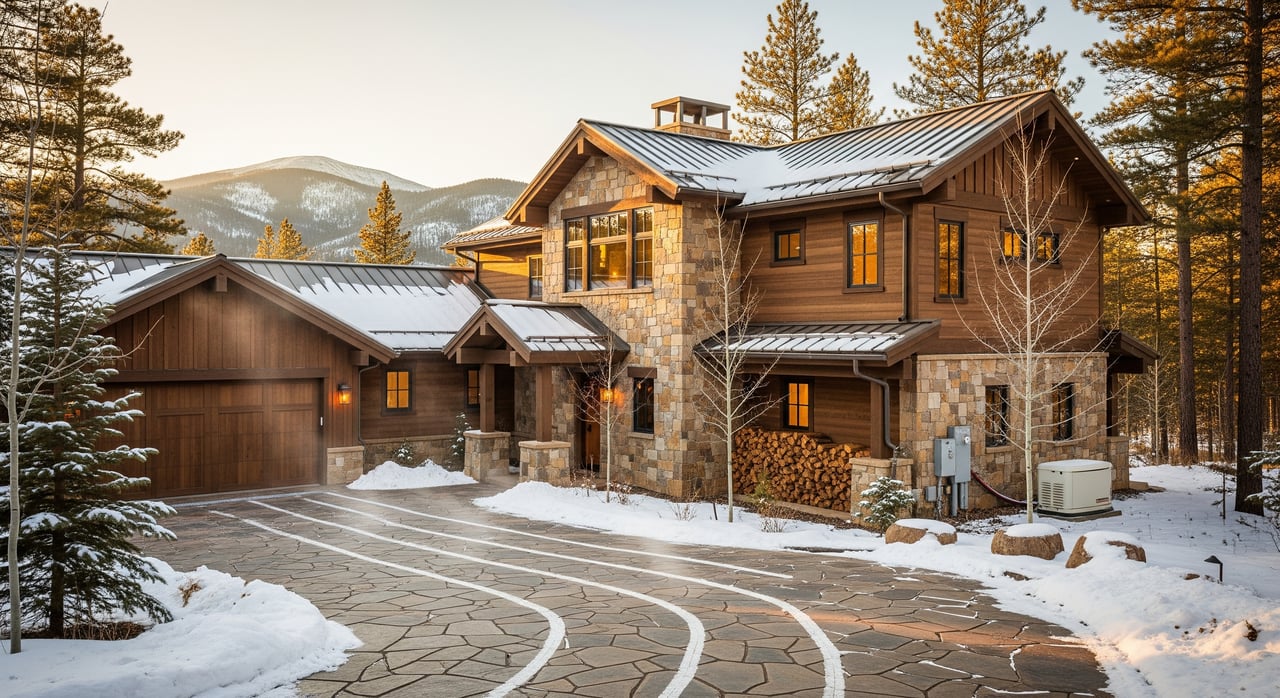
Winterize Your Evergreen Home: A Mountain-Ready Checklist
November 14, 2025
November 14, 2025
November 14, 2025
Evergreen winters are beautiful until ice, deep snow, or a surprise outage tests your home. If you live in the foothills, you know high elevation can turn small issues into big repairs fast. This guide gives you a clear, mountain-ready checklist tailored to Evergreen so you can prevent damage, protect access, and stay comfortable all season. Let’s dive in.
Evergreen sits at higher elevation in Jefferson County, where winter brings prolonged freezes, heavy wet snow, and frequent freeze–thaw cycles. Those conditions raise the risk of ice dams, roof stress, and frozen pipes. Many homes here also rely on propane, private wells and septic systems, and steep private drives that require a plan for snow removal.
Power can go out during storms, so backup heat and safe generator use matter. Rodents and wildlife also seek shelter in colder months, so sealing entry points is smart preventive care. For broader winter safety context, review the National Weather Service’s guidance on cold weather and storms in the NWS winter safety overview.
Walk your exterior and look for missing or loose shingles, damaged flashing, or sagging areas. Clear gutters and downspouts so meltwater can drain away from the foundation. If your roof is older or you see signs of wear, schedule a professional inspection before the first big storm.
Reduce heat loss into the attic, then improve ventilation so the roof deck stays closer to outdoor temperature. Air seal first, then add insulation where needed. For best practices, see the U.S. Department of Energy’s guidance on air sealing your home and insulation basics. If a pro recommends it, heat cables can be added in problem spots. Use a roof rake from the ground to remove heavy snow when safe.
Have your chimney and fireplace swept and inspected. Confirm a good chimney cap and damper, and keep dryer and combustion vents clear and above expected snow levels. Generator, furnace, and fireplace exhaust must vent freely to avoid backdrafting and carbon monoxide.
Trim dead or unstable branches that could break under snow load. If you use propane, check tank levels, regulators, and lines now, and schedule refills ahead of storms. Keep an accessible path for deliveries.
Wrap pipes in crawlspaces, garages, and exterior walls. Install heat tape on vulnerable runs if a professional approves it. Shut off and drain exterior hose bibs or install frost-proof valves, and confirm you know where the main water shutoff is located.
If you have a private well, protect exposed piping and pressure tanks, and ensure the wellhead is capped and above expected snowpack. For well owner resources, visit the Colorado Division of Water Resources well owners information. For septic systems, maintain cover over the tank and drainfield, avoid driving heavy vehicles on the field, and follow state and local guidance. Colorado’s On-site Wastewater Treatment Systems page offers helpful info at CDPHE OWTS.
Flush your water heater if recommended by the manufacturer, test the temperature and pressure relief valve, and insulate hot water lines where accessible.
Schedule a professional tune-up and replace filters. Confirm combustion air and venting are clear and working as designed. If you heat with propane or use a boiler, verify pilot lights and pressure readings with a licensed technician.
If you leave town, set a safe hold temperature and consider a smart thermostat to monitor and manage freeze risk remotely. Water sensors and auto-shutoff valves can add peace of mind.
Assess whether a portable or whole-house generator makes sense for your home. Always use generators outdoors and away from windows. To prevent carbon monoxide poisoning, follow the CDC’s guidance on CO safety and prevention. Have a qualified electrician install a transfer switch for any whole-home or hardwired setup.
Weatherization and efficient equipment can lower bills and reduce ice-dam risk. Check current programs and requirements from your utility before hiring. Local utilities often update rebates seasonally.
Install carbon monoxide detectors near sleeping areas and on every level, and test both CO and smoke alarms regularly. Review the CDC’s carbon monoxide safety for key tips.
Use a spark screen, keep combustibles at a safe distance, and store firewood off the ground and away from the house. Follow manufacturer guidance for pellet and wood stoves and schedule regular cleanings.
Build a winter kit with water, nonperishable food, flashlights, batteries, blankets, medications, and a battery-powered radio. FEMA’s Ready campaign outlines what to include in a winter weather kit.
Seal gaps around doors, foundation penetrations, and attic access points. Store firewood outside and away from the structure. CSU Extension provides evidence-based pest guidance; start with CSU Extension for resources.
If you have a long or steep private driveway, line up a plow service early in the season. Make sure your service has the equipment to handle narrow or winding mountain drives and knows where to stage snow safely.
Mount winter tires or carry compatible chains if recommended by your vehicle manufacturer. Keep a shovel, traction mats, blankets, and a small emergency kit in each car. For statewide travel tips, review the Colorado Department of Transportation’s winter driving guidance from CDOT.
You can safely handle many tasks, such as weatherstripping, pipe insulation, and gutter cleaning when conditions are safe. Hire licensed pros for roof work on steep or icy surfaces, HVAC service, gas or propane line work, generator installation, chimney sweeping, and tree removal. Ask for proof of insurance and local experience with mountain homes.
When you request bids, get two or three quotes with a clear scope and timeline. Verify licenses, insurance, and references from similar mountain properties. If you pursue rebates, confirm your contractor meets any utility program requirements.
A winter-ready home shows better and avoids last-minute surprises during inspection. If you plan to sell in Evergreen or nearby Front Range communities, a clean roofline, serviced HVAC, safe driveway access, and a tidy mechanical room all help buyers feel confident. Our team can help you prioritize improvements that support value and a smooth sale.
Start with the checklist above, keep safety first, and tackle tasks in the timeline that fits your home’s systems. If you are unsure whether you are on well and septic or a municipal system, confirm it now so you can winterize the right way. If you would like a walkthrough or to discuss which projects add value before listing, reach out to Dolby Haas for guidance and Get a Free Home Valuation.
Stay up to date on the latest real estate trends.

Lifestyle
What It's Really Like Beyond the Vacation Crowds

Real Estate
This Denver Neighborhood Continues to Attract Buyers

Real Estate
A Rare Opportunity at Parkland Estates Airpark

Real Estate
Summer Has Arrived, and So Have Buyer Choices

Broker
Experience, Innovation, and Results

They're Just Not Buying Everything

Real Estate
What the Data Actually Says
Dolby Haas has established a reputation for outstanding performance including several recording-breaking sales from Northern Colorado Springs, Evergreen, Greater Denver, and Broomfield. Contact him today!