Downsizing in Littleton CO: Your Plan to Sell and Simplify
April 2, 2026
April 2, 2026
April 2, 2026
If you have lived in your home for years, downsizing can feel like two big jobs at once: letting go of belongings and getting a house ready to sell. In Littleton, that process often comes with real emotion, tight timelines, and a lot of moving parts. The good news is that you do not have to tackle everything at once. With the right order of steps, you can simplify decisions, protect your timeline, and make your next move feel more manageable. Let’s dive in.
Downsizing is a timely topic in Littleton because many homeowners have stayed in their homes long term. According to the U.S. Census Bureau’s Littleton quick facts, 20.1% of residents are age 65 or older, 61.2% of housing units are owner-occupied, and the median value of owner-occupied homes is $630,600. Those numbers point to a market where many owners may be ready to trade space and upkeep for something simpler.
Timing also matters when you sell. Recent market data shows Littleton homes can still move in a matter of weeks, though pace varies by source and timeframe. Redfin’s Littleton housing market data reported a February 2026 median sale price of $615,000 and an average of 21 days on market, while the South Metro Denver REALTOR Association reported a different median price and timeline in a separate 2025 snapshot. The key takeaway is simple: preparation still matters, because market conditions can shift and buyers notice homes that feel clean, updated, and easy to understand.
Before you think about photos, showings, or pricing, start by sorting what is inside the home. This is the most important first step because it shapes everything that follows, from repairs to staging to move-day planning. If you list too early without reducing the contents, the process usually feels harder and more rushed.
A room-by-room system works best. As you go, give each item one clear category:
Try not to make every decision emotional and final on the first pass. Focus first on reducing volume and identifying what must move with you. Then circle back to sentimental items once the easier categories are under control.
If you are handling a home after the death of a family member, communication matters just as much as cleanup. Colorado probate guidance explains that the person in charge of the estate is the Personal Representative, and that role comes with duties and deadlines, including notice requirements and an inventory of money and property. You can review those details through the Colorado Judicial Branch probate resources.
In practical terms, it helps to create one shared inventory and decision log before major cleanout decisions begin. That running list can track what has been promised, what has been removed, what still needs a decision, and who is responsible for each next step. When family members have different opinions, one document and one decision-maker can prevent confusion and keep the sale process moving.
If the estate has unclear title issues, debts, heirs, or ongoing disagreements, it may take more time and paperwork to close. The Colorado courts’ estate closing guidance notes that formal closing is typically more involved when there are problems or disputes. That is a good reason to slow down major decisions until legal authority is clear.
Once you have reduced the contents of the home, the next step is to identify repairs that could affect marketability or timing. In Littleton, this step deserves extra attention because some work may require permits. According to the City of Littleton building permit requirements, permits are required for many types of work involving electrical, gas, mechanical, plumbing, structural changes, demolition, moving, and changes in occupancy. The city also states that all fences and decks require a building permit.
That means repairs should not be saved for the final week before listing. Littleton’s online permit system and inspection scheduling can help, but inspections may need to be booked in advance. If a contractor is involved, the city also notes that contractors working within city jurisdiction must be licensed with the city.
A simple pre-listing repair plan often includes:
This approach helps you avoid spending money in the wrong places while still addressing the items that could slow a sale or create questions during the contract period.
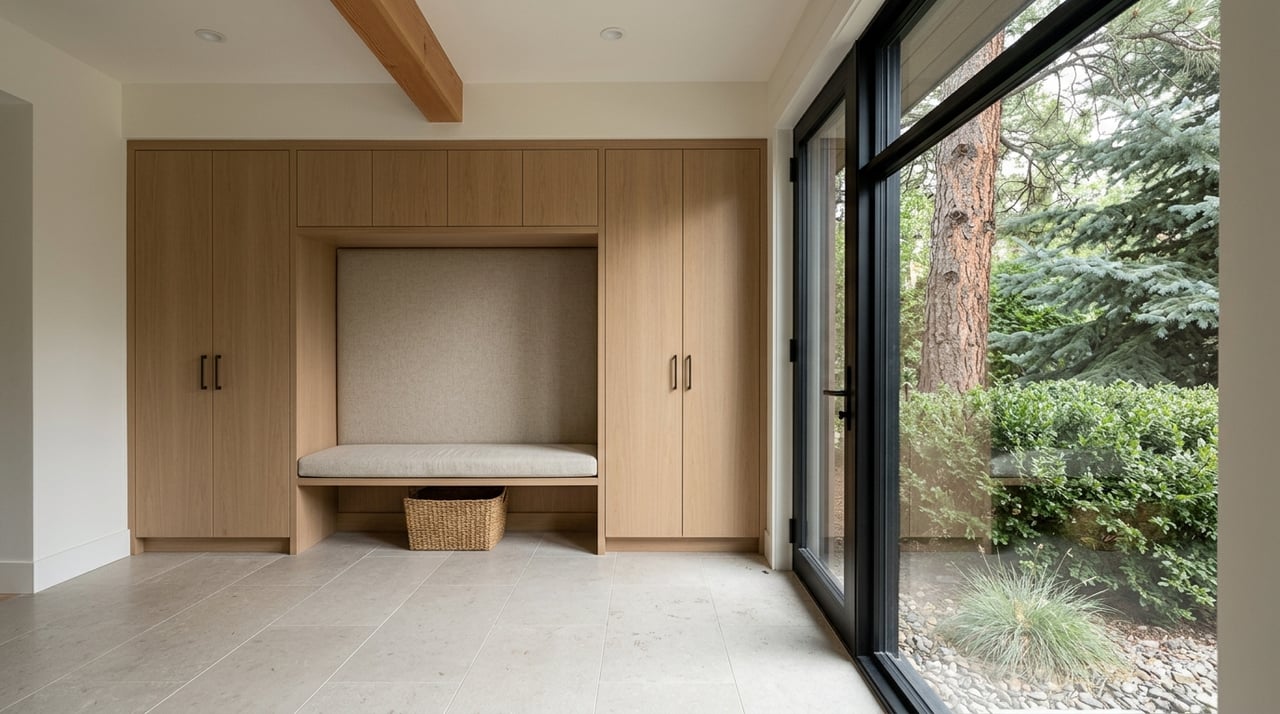
After sorting and repairs, staging becomes much easier and more effective. You do not need to make the home look perfect in every corner. You do need to make key rooms feel open, clean, and easy to picture.
The National Association of REALTORS® 2025 staging snapshot found that 83% of buyers’ agents said staging made it easier for buyers to visualize the property as a future home. The same report found that 49% of sellers’ agents said staging reduced time on market. The most common seller recommendations were decluttering, cleaning the entire home, and improving curb appeal.
If your time and budget are limited, prioritize the rooms buyers notice first:
For many downsizers, this is good news. Once excess furniture and personal items are removed, the home often already feels larger, brighter, and easier to navigate.
One of the easiest ways to lose momentum during a sale is to wait too long on paperwork. In Colorado, the Seller’s Property Disclosure for residential transactions is a seller-completed form. The Colorado Division of Real Estate disclosure guidance makes clear that sellers, not brokers, complete the form and that known adverse material facts must be disclosed.
If the home was built before 1978, there is another important step. Federal law requires specific lead-hazard disclosures before a buyer is obligated under contract, including an EPA-approved pamphlet, any known lead information, a warning statement in the contract, and a 10-day opportunity for a lead inspection or risk assessment unless the parties agree otherwise. The EPA’s real estate disclosure guidance for lead hazards outlines these requirements.
The best time to gather this information is before the home goes live. Early preparation reduces stress and helps prevent delays once a buyer is ready to act.
Many sellers assume they can handle final cleanout at the very end. In Littleton, that can create avoidable stress. The city does not provide trash hauling or recycling service, so homeowners must arrange service with a private provider, as explained on the City of Littleton trash and recycling page.
That detail matters more than it may seem. If you need junk removal, donation pickups, recycling help, or extra hauling, it is smart to line those up early instead of waiting until closing week. The city also notes restrictions on truck-loading operations between 10 p.m. and 7 a.m. near residential areas, which can affect move-day planning.
A simple local move timeline often looks like this:
Downsizing is not just a real estate task. It is also a project-management task. You may be juggling contractors, hauling vendors, family communication, staging decisions, disclosure forms, and a move to your next home all at once.
That is where a full-service team can make a real difference. Dolby Haas offers estate-sale management and hands-on support for complex transitions, which can be especially helpful if you are downsizing after many years in the same home or helping a family member through an estate. Instead of trying to coordinate every moving piece alone, you can work from a clearer plan with local guidance.
Downsizing in Littleton does not have to start with a giant to-do list. It starts with the right sequence: sort first, handle legal authority when needed, plan repairs early, stage the most important spaces, complete disclosures, and schedule cleanup well before closing. When you break the process into stages, it becomes much easier to make steady progress.
If you are preparing to sell and want experienced guidance on pricing, timing, estate-related logistics, or next steps, Dolby Haas can help you build a plan that feels organized, practical, and tailored to your move.
Stay up to date on the latest real estate trends.

How the Right Strategy Turned Aspen Meadow Into a Successful Full-Price Sale


Real Estate

Real Estate
Summer Finally Found Its Footing

Real Estate
Why the Market Always Wins

Real Estate
Recent Listings That Didn’t Sell Until We Took Over


Dolby Haas has established a reputation for outstanding performance including several recording-breaking sales from Northern Colorado Springs, Evergreen, Greater Denver, and Broomfield. Contact him today!