Torn between a brand‑new build and an established resale home in Castle Rock? You are not alone. With rolling terrain, mountain views, and fast‑changing inventory, the choice can feel big. In this guide, you will learn the real trade‑offs that matter most in Castle Rock, so you can match your budget, timing, and lifestyle to the right home. Let’s dive in.
Castle Rock market at a glance
Castle Rock sits along the I‑25 corridor south of Denver, which makes commute access a top consideration. Many buyers weigh a shorter drive to the Tech Corridor against price, lot size, and views. Traffic on I‑25 can affect daily life, so it is wise to test your commute time before you choose.
Growth across Douglas County has been strong for years. That means you will see both active new‑home communities and established neighborhoods. Inventory swings can be sharp. In busy seasons sellers may receive multiple offers, while in slower months buyers get more leverage.
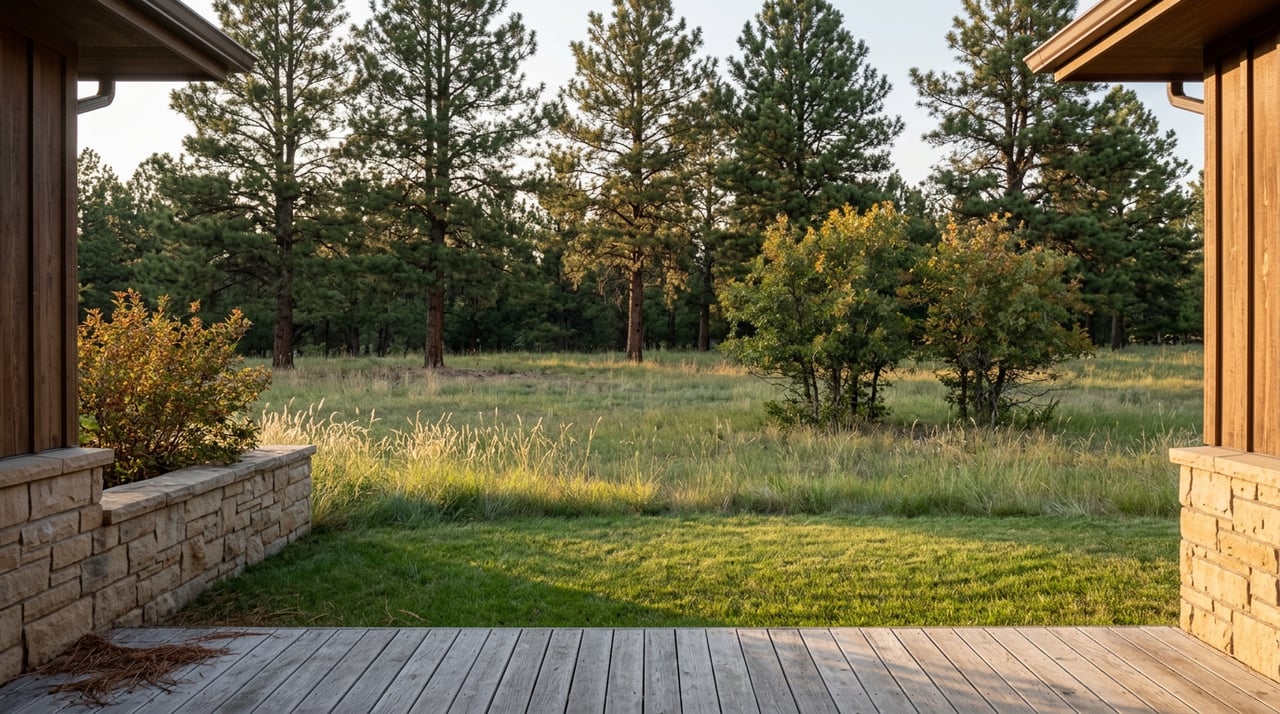
Local topography matters. The area’s rolling terrain and elevation create view opportunities and also add complexity for lots with slope. Some parcels need grading or retaining walls, which can increase construction costs and affect how usable your yard feels. Orientation and view corridors also influence value and comfort.
If you consider a new build, plan for town and county requirements. Tap fees for water and sewer, impact fees, building permits, and HOA rules all add cost and steps to your timeline. For either new or resale homes, you should also review wildfire exposure, localized flood zones, and the building codes that apply at elevation for snow loads and energy efficiency.
What you get with new construction
Typical products
- Single‑family homes in master‑planned communities or smaller subdivisions.
- Spec homes that are move‑in ready or near completion.
- Build‑to‑order plans with choices on finishes and some structural options.
- Townhomes in certain developments.
Features and benefits
- Modern systems, insulation, electrical and plumbing that meet current codes.
- Open floorplans and design choices if you buy early enough in the build.
- Builder warranties are common, often one year for workmanship and longer for structural items. Always confirm coverage and terms in writing.
- Energy efficiency is typically higher than older homes, and some builders offer added packages like upgraded HVAC or EV‑charger rough‑ins.
Costs to watch
- Base price versus lot premium. Corner lots, cul‑de‑sacs, or view sites often carry higher premiums.
- Structural options and finish upgrades can add a lot. Kitchens, fireplaces, and finished basements are frequent drivers.
- Site work for sloped or rocky lots can increase grading, retaining, or driveway costs. Landscaping and fencing are often extra.
- Municipal impact and utility tap fees, plus any HOA initiation fees. Ask for the full fee schedule in advance.
- Sales tax on some contractor‑installed items and any special district assessments.
Timeline and delivery
- Spec homes may be available in weeks or a few months.
- Early‑selection or custom builds can take several months to a year. Permit backlogs, supply chains, and winter weather can extend timelines.
- Delays happen. Your contract should state delivery windows and remedies for missed dates.
Financing and appraisal
- You can use a standard mortgage for a completed spec home. Construction‑to‑permanent loans are typical for homes built from the ground up. FHA and VA are possible but can require extra steps.
- Appraisals on brand‑new streets can be sensitive if nearby sales are scarce. Build in a plan for potential appraisal gaps.
New construction pros
- Low immediate maintenance and modern systems.
- Opportunity to personalize finishes and layouts.
- Builder warranties provide added protection.
- Higher energy efficiency and current code compliance.
New construction cons
- Upgrades and lot premiums can push price above expectations.
- Young landscaping means less privacy and shade at move‑in.
- Construction delays and punch‑list issues may occur after closing.
- HOA rules can limit future changes. Review CC&Rs before you commit.
- Price‑per‑square‑foot may run higher than comparable resale homes.
What you get with resale homes
Features and location benefits
- Mature trees, established yards, and a developed neighborhood feel.
- Known utility connections and, when available, a maintenance history from the seller.
- Access to established areas near downtown Castle Rock, parks, or larger lots.
Costs and upgrades
- Purchase price varies with condition and features. Older systems may need replacement sooner, so plan a budget for roof, HVAC, water heater, windows, or cosmetic updates.
- Renovation costs can vary widely. Permit needs and contractor availability play a role, so build in time and contingency.
Inspections and risk
- A full home inspection is essential. Pay attention to structure, roof, foundation, HVAC, electrical, plumbing, and potential wood rot.
- Radon can be elevated in parts of Colorado. Testing and mitigation are common steps when indicated.
- Older materials or non‑compliant elements may require upgrades before or after closing.
Timeline and leverage
- Move‑in can be faster than a build, subject to the seller’s plans and any repairs you negotiate.
- In a buyer‑friendly market, you may have more room to negotiate on price, credits, or repairs.
Resale pros
- Established landscaping and neighborhood character.
- Potentially more central locations at a given price point.
- Clearer comparable sales for appraisal.
- Faster move‑in is possible.
Resale cons
- Deferred maintenance can trigger near‑term costs.
- Energy efficiency may lag newer builds unless updated.
- Limited warranty coverage beyond disclosures, unless negotiated.
Quick compare: which fits your goals
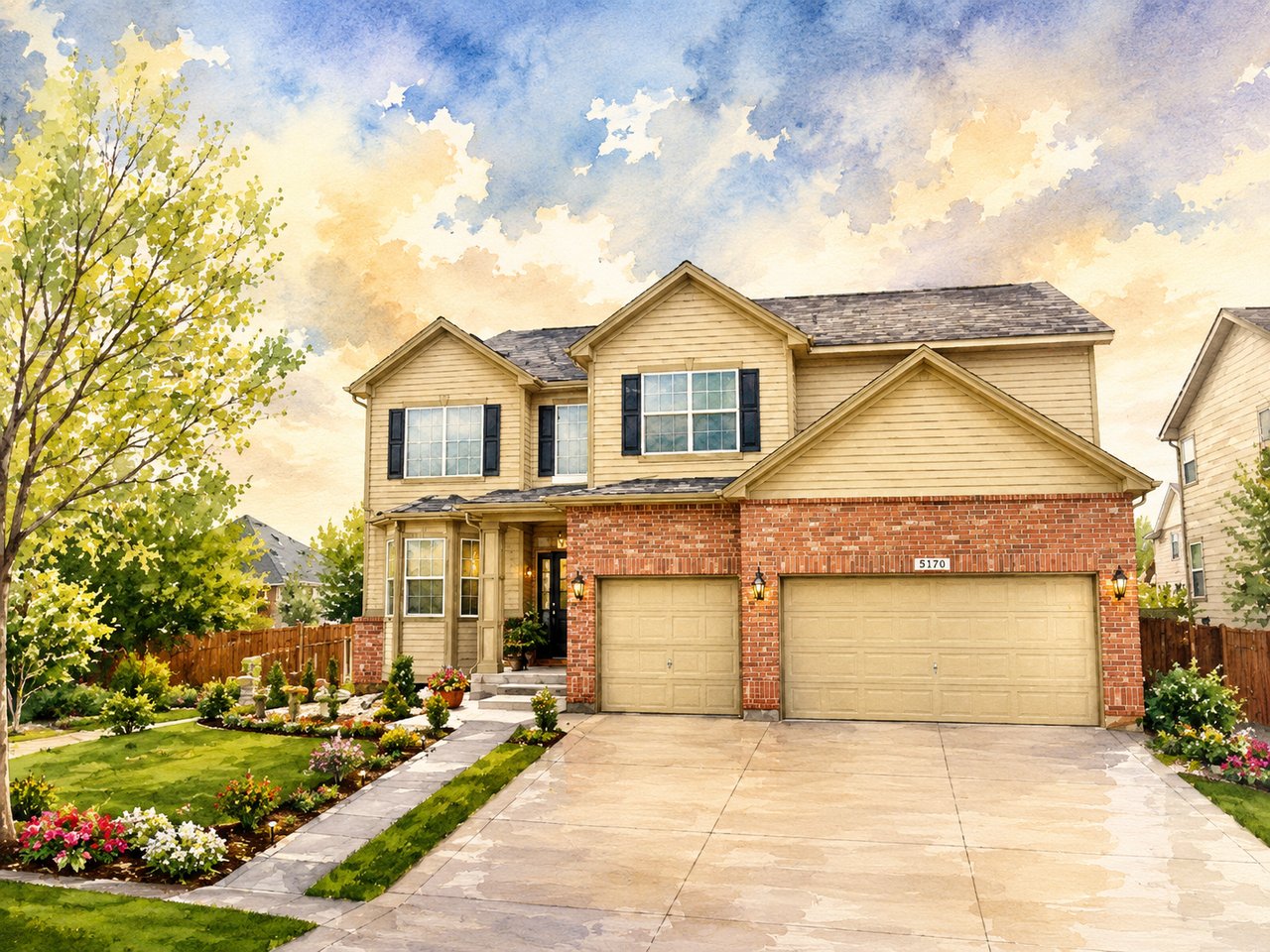
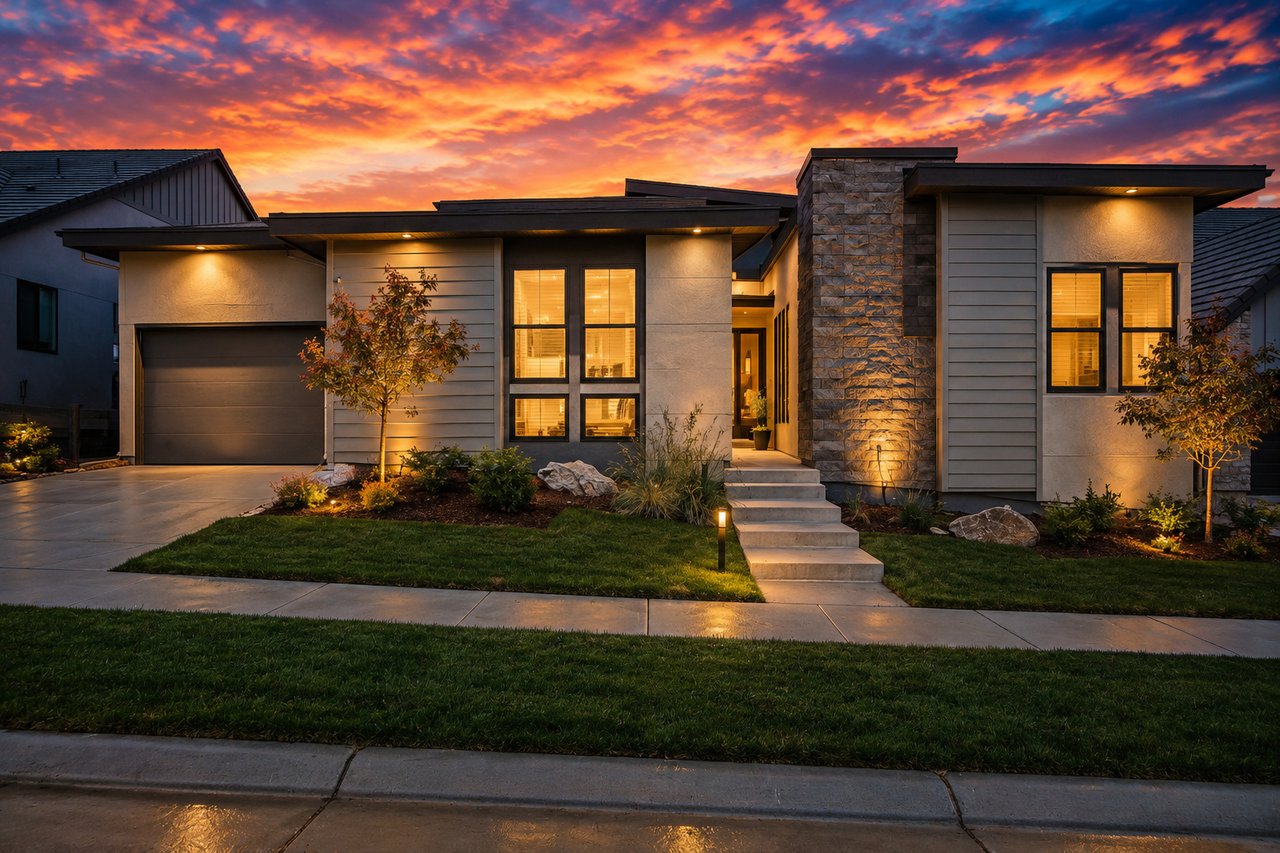
- If you want low maintenance, modern systems, and personalization, new construction fits well, but watch the all‑in price and timeline risk.
- If you value mature yards, faster move‑in, and established locations, resale can be a smart path, but plan for inspections and possible updates.
- In Castle Rock, lot quality, commute access, and views often drive long‑term value more than whether the home is new or resale.
Decision checklist for Castle Rock buyers
Budget reality
- Add up all‑in costs, not just the sticker price. Include upgrades, site work, landscaping, HOA dues, property taxes, and any special assessments.
- For new builds, request an itemized sheet for base price, lot premium, structural options, finish upgrades, site costs, tap fees, and expected sales tax on upgrades.
Timing and life stage
- Need to move soon? Focus on resale or a completed spec home.
- Comfortable waiting for the right plan and finishes? A build‑to‑order may fit, but guard your schedule with strong contract language.
Location and lot traits
- Decide if walkability to downtown, proximity to parks and schools, or larger view lots matter most. New communities often sit on the outskirts, while resales may be closer to established amenities.
- Evaluate slope, sun exposure, drainage, and view corridors. These affect comfort, cost, and resale appeal.
Customization vs cost control
- Bespoke finishes and structural changes raise costs and risk. If your top priorities are price predictability and speed, limit upgrades or target spec inventory.
Maintenance tolerance
- New builds minimize immediate repairs. If you enjoy renovating, a resale with solid bones can offer value.
Resale value drivers
- In Castle Rock, lot quality, neighborhood amenities, proximity to commuting routes, and school assignments are durable demand factors. Compare price‑per‑square‑foot and real comps in both categories.
Community rules and HOAs
- Review CC&Rs, budgets, and reserve studies. New communities may have higher initial developer control that transitions later. Understand assessments and planned amenities before you buy.
Builder and contractor due diligence
- Check builder reputation, completion history, and warranty responsiveness. Ask for a sample purchase agreement, warranty terms, and the finishes list.
- Request the subdivision plat, grading and stormwater plans, and any future phase maps so you know what may be built nearby.
Inspection strategy
- New builds still benefit from independent inspections at key stages: foundation, pre‑drywall, and final.
- For resales, pursue full inspections and specialists as needed, including radon testing when appropriate.
Financing and appraisal
- Work with a lender experienced in Colorado new construction if you are building. Appraisals can be tight on new streets with few comps.
- For resales, confirm comps support the price, especially in rising markets where appraisals may lag.
Local hazards and site conditions
- Review wildfire risk, floodplain maps, and drainage patterns. At elevation, confirm roof pitch and snow load considerations. Identify utility easements and view corridors that may limit future changes.
Two buyer scenarios
Move‑in within 60 days
If your lease is ending or you start a new job soon, look at resale homes or builder spec inventory. You can prioritize inspection results, negotiate repairs or credits, and set a realistic closing date. Keep your upgrade wish list simple so you hit your timeline.
View lot and personalization
If you want a specific lot, window placement, and finish package, a new build can deliver. Budget for lot premiums, grading, landscaping, and a longer schedule. Protect your plan with a clear completion timeline, inspection access, and a contingency for appraisal variance.
What to verify before you offer
For new construction
- Itemized pricing: base, lot premium, options, site work, and all municipal fees.
- Written builder warranty terms and claims process.
- HOA CC&Rs, budget, and reserve study if available.
- Subdivision plat, grading and stormwater plans, and phased development map.
- Completion schedule, delay remedies, and your inspection access.
- Recent comparable sales in and near the subdivision for appraisal context.
For resale
- Complete seller disclosures and past maintenance receipts.
- Professional home inspection, plus specialists as indicated.
- Recent utility bills and HOA documents, if applicable.
- Title report, easements, and any restrictions that affect improvements.
For both
- Confirm school assignments with the Douglas County School District.
- Obtain property tax history from the Douglas County Assessor.
- Check floodplain and wildfire risk for the specific property location.
How Dolby Haas can help
You deserve clear guidance, not guesswork. As a boutique, full‑service team with deep Denver‑area experience, we help you compare new construction and resale options with confidence. We coordinate lenders, inspections, and builder due diligence, and we walk you through CC&Rs, fee schedules, appraisal risk, and neighborhood trade‑offs. If you are relocating or balancing a sale and purchase, our hands‑on process keeps you informed and on schedule.
Ready to explore Castle Rock with a plan that fits your budget, timing, and lifestyle? Connect with Dolby Haas for one‑on‑one guidance and next steps.
FAQs
Is new or resale the better investment in Castle Rock?
- It depends on lot quality, location, and your goals. In practice, commute access, school assignments, views, and neighborhood amenities often matter more than whether a home is new or resale.
Will I pay more for new construction once everything is added?
- Often yes. Lot premiums, structural options, finish upgrades, site work, and fees can raise the total. New builds can reduce near‑term maintenance and energy costs, which offsets some of the difference.
Are newer Colorado homes more energy efficient?
- Generally yes. Recent homes meet newer state and local energy codes, and some builders offer added efficiency packages. Ask for the builder’s documentation to compare options.
How do builder warranties work in practice?
- Most builders provide limited warranties, often one year for workmanship and longer for structural coverage, sometimes via a third party. Get the terms and claims process in writing and confirm whether coverage transfers if you sell later.
Should I hire inspectors for a new build?
- Yes. Independent inspections at foundation, pre‑drywall, and final walkthrough stages are a smart safeguard. They complement the builder’s own inspections and help catch issues early.
How long does a new build usually take here?
- Spec homes can be ready in weeks or a few months. Build‑to‑order timelines often run several months to a year, depending on permitting, supply chains, and weather. Contracts should include delivery windows and remedies for delays.
What costs are easy to miss in Castle Rock?
- For new builds: lot premiums, site work on sloped lots, landscaping, municipal tap fees, and sales tax on some installed finishes. For resales: near‑term system replacements, radon mitigation if needed, and HOA costs.