Leave a Message

Thank you for your message. We will be in touch with you shortly.

Moving To Castle Pines For DTC Jobs: Start-To-Finish Help

January 8, 2026

Moving To Castle Pines For DTC Jobs: Start-To-Finish Help

January 8, 2026

Thinking about relocating to Castle Pines for a Denver Tech Center job? You’re not alone. Many DTC professionals choose Castle Pines for its quieter streets, trail networks, and suburban feel while staying within a reasonable commute. In this guide, you’ll get a realistic look at the daily drive, housing options, timelines, and budget planning so you can make a confident move. Let’s dive in.

Why Castle Pines works for DTC pros

Castle Pines sits in Douglas County just south of I-25, a short hop from DTC job centers in Greenwood Village, Centennial, and Lone Tree. You get a suburban or semi-rural vibe, master-planned neighborhoods, and access to parks and open space. Many buyers also appreciate the mix of newer construction and larger lot options.

The tradeoff is a suburban-to-suburban commute. Your best fit depends on how you balance time in the car with lifestyle, home type, and neighborhood preferences.

Commute realities to the DTC

Typical drive times and routes

Expect one-way drive times that often land in a moderate range, roughly 25 to 45 minutes under normal conditions. Traffic incidents or peak times can add more. Your exact location in Castle Pines and your specific DTC destination will shape the trip.

Primary routes include:

  • I-25 northbound for the most direct option.
  • C-470 to connect east or west before heading into the DTC area.
  • E-470 for a toll alternative that can help avoid bottlenecks at certain times.

Run sample routes at your actual commute times and compare options. If your employer offers hybrid schedules or flexible hours, your commute window may improve.

Express lanes and tolls

I-25 has express lane segments that may save time during peaks. E-470 is a toll road that offers a reliable bypass across the south metro. Consider whether your employer offers commuter benefits or reimbursements. If you expect frequent toll use, factor those costs into your monthly budget.

Transit and park-and-ride options

Light rail serves the southern DTC, but Castle Pines does not have direct light rail access. Many commuters drive to a nearby park-and-ride near Lone Tree or Park Meadows, then take RTD services the rest of the way. Some larger DTC employers run shuttles from transit hubs. Ask your employer’s HR team about shuttle or vanpool options.

Tips to manage the commute

  • Do a few test drives at your target arrival time before you buy.
  • Keep two or three alternate routes saved on your phone for incident days.
  • Try a park-and-ride workflow to see if a light rail link or employer shuttle saves you time.
  • If available, align your schedule with off-peak hours.

Neighborhoods and home types

What you will find

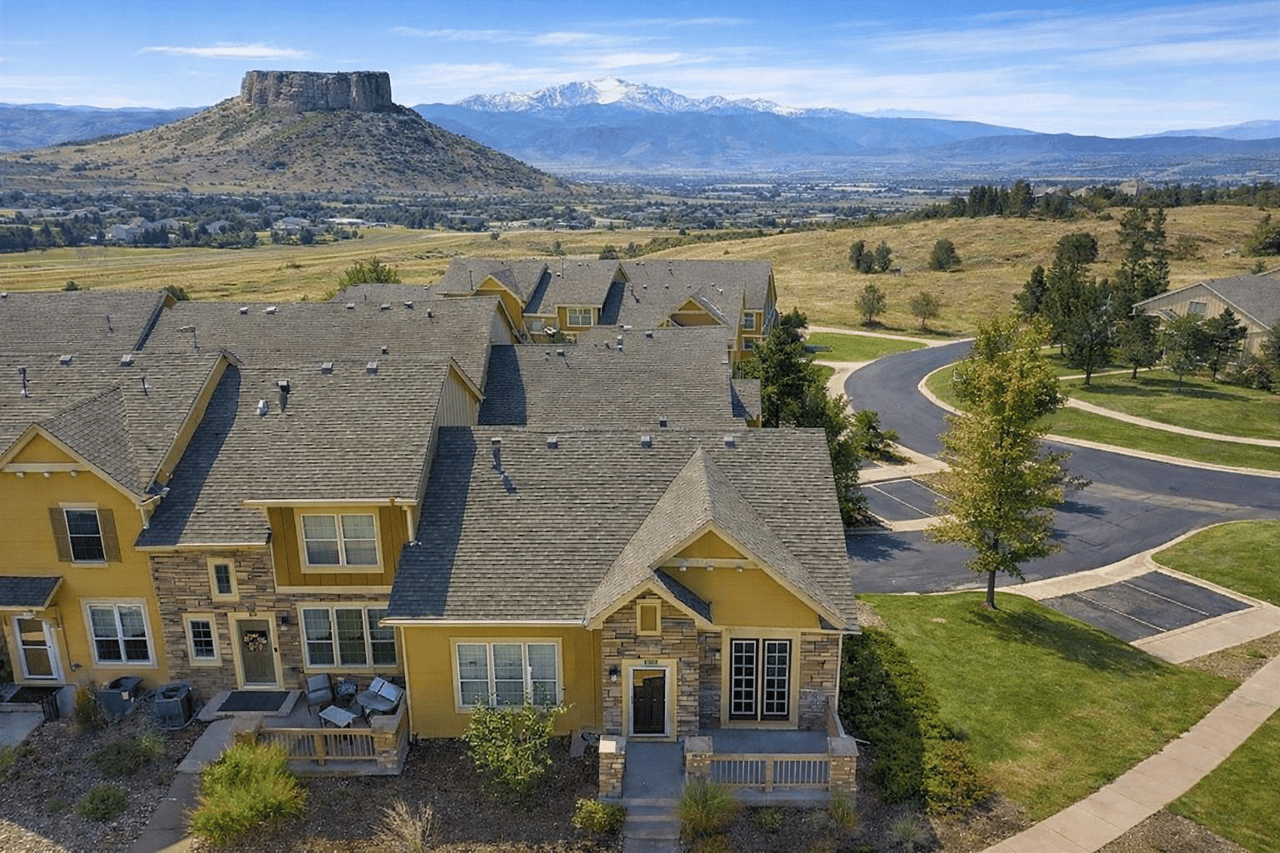
Castle Pines offers a mix of single-family detached homes, townhomes, and master-planned communities with amenities like pools, trails, and neighborhood parks. Many areas have homeowners associations that help maintain common spaces and community standards.

Lot sizes vary from more compact, low-maintenance parcels to larger suburban properties. You’ll see a range of architectural styles and construction ages, including newer builds.

Nearby alternatives to compare

If you are open to a wider search with similar access to the DTC, consider Parker, Castle Rock, Lone Tree, and Highlands Ranch. Each area has different price points, HOA structures, density, and commute patterns. Touring across a few suburbs can help you find the best blend of home style, budget, and drive time.

Affordability and carrying costs

Castle Pines often sits at or above the regional median price due to lot sizes, community amenities, and suburban appeal. Because prices and inventory shift quickly, focus on relative comparisons and ask your agent for the most current neighborhood-level data.

Beyond your mortgage payment, plan for:

  • Property taxes based on assessed value and local mill levies, including potential special districts.
  • HOA dues that can vary by community, plus any move-in or transfer fees.
  • Homeowner’s insurance, utilities, and routine maintenance.
  • Possible commuter costs like tolls, parking, and fuel.

Your start-to-finish move plan

6 to 12 weeks before your move

  • Research your commute in detail. Test multiple routes at your expected hours.
  • Get pre-approved with a lender and define a budget that includes taxes, HOA dues, utilities, and potential special district fees.
  • Outline your must-haves for home size, layout, outdoor space, and amenities.
  • Check school boundary maps and enrollment policies directly with the district if schools are part of your decision.
  • Engage a local buyer’s agent who knows Castle Pines, DTC commute patterns, and HOA landscapes.

4 to 8 weeks: house hunting and contract

  • Use a mix of virtual and in-person tours to compare neighborhoods efficiently.
  • When ready to make an offer, discuss contingencies that match market norms, such as appraisal gaps or rent-back options, if needed.
  • Plan for inspections such as general home, radon, and pest as recommended by your agent and inspector.
  • If you work remote or hybrid, confirm home office needs like internet provider options.

2 to 6 weeks: closing and prep

  • Typical closings often occur 30 to 45 days after offer acceptance, but timelines vary by loan type and contract terms.
  • Set up homeowner’s insurance and register with your HOA if applicable.
  • Schedule movers and get written estimates that outline coverage and exclusions.
  • Arrange utilities and services, including water, sewer, electricity, gas, trash, and internet.

First weeks in your new home

  • Complete address changes, vehicle registration, voter registration, and mail forwarding.
  • Confirm school registration, transportation, and required documents if applicable.
  • Do commute dry runs at your true start time and test alternate routes.
  • Note your first maintenance tasks and seasonal items like lawn care or snow tools.

Budget checklist

  • Closing costs for lender, title, and recording fees.
  • Movers, packing supplies, and temporary storage if needed.
  • Utility deposits and any HOA transfer or move-in fees.
  • Initial home needs like window coverings, small repairs, or landscaping.
  • Commuting costs including tolls, express lanes, fuel, and parking.

Families, schools, and services

Schools and boundaries

Castle Pines is served by the Douglas County School District. School boundaries and enrollment policies can change over time, so verify current attendance areas, calendars, and any open enrollment options directly with the district. If schools are a key factor, confirm details for each home on your shortlist before you offer.

Recreation and everyday amenities

Douglas County is known for its trails, regional parks, and outdoor recreation. You can reach hiking and biking options across the south metro, with state parks in the broader region. You also have convenient access to grocery stores, local retail centers, medical clinics, and larger shopping areas like Park Meadows or the Castle Rock outlets depending on direction.

Safety and community info

Castle Pines is often perceived as a suburban community with active neighborhood associations and local events. For up-to-date information, review the city’s resources, community calendars, and local public safety reports.

How Dolby Haas helps DTC relocations

Relocating for work comes with a lot of moving parts. You deserve a calm, structured process and clear answers at every step. As a boutique, full-service team, we pair local market knowledge with hands-on project management so you can focus on your new role.

Here’s how we support you:

  • Commute-informed search. We map neighborhood options to your specific DTC location and schedule, then plan test drives.
  • Neighborhood guidance. We compare Castle Pines with nearby alternatives so you can see tradeoffs in price, style, and drive time.
  • Offer strategy. We prepare competitive offers and contingency plans suited to local norms.
  • Smooth logistics. From inspections to HOA onboarding and utility setup guidance, we keep you organized and on time.
  • Relocation-friendly service. We coordinate virtual tours, remote signings, and closing timelines aligned with your start date.

Ready to start your Castle Pines search with a trusted local team? Connect with Dolby Haas for a focused plan that fits your job, commute, and lifestyle.

FAQs

Is Castle Pines a good choice if I work in the DTC?

  • It can be a strong fit if you want a quieter suburban setting and are comfortable with a daily suburban commute; weigh lifestyle benefits against drive time.

How long is the Castle Pines to DTC commute on average?

  • Plan for roughly 25 to 45 minutes under normal conditions, with longer times during peaks or incidents; test your exact route at your typical hours.

Are there transit options if I live in Castle Pines?

  • There is no direct light rail in Castle Pines, but you can drive to a nearby park-and-ride and use RTD services or employer shuttles where available.

What home types are common in Castle Pines?

  • You’ll find single-family homes, townhomes, and master-planned communities with amenities and HOAs; lot sizes range from low-maintenance to larger parcels.

How do HOAs and special districts affect my budget?

  • HOA dues and special district taxes can meaningfully impact monthly costs; include them with property taxes, insurance, and utilities in your affordability plan.

What should I ask a local agent before I buy?

  • Ask about HOA rules and fees, special district taxes, commute times to your exact office, school boundaries, and recent sales dynamics in your target area.

Work With Grant

Dolby Haas has established a reputation for outstanding performance including several recording-breaking sales from Northern Colorado Springs, Evergreen, Greater Denver, and Broomfield. Contact him today!