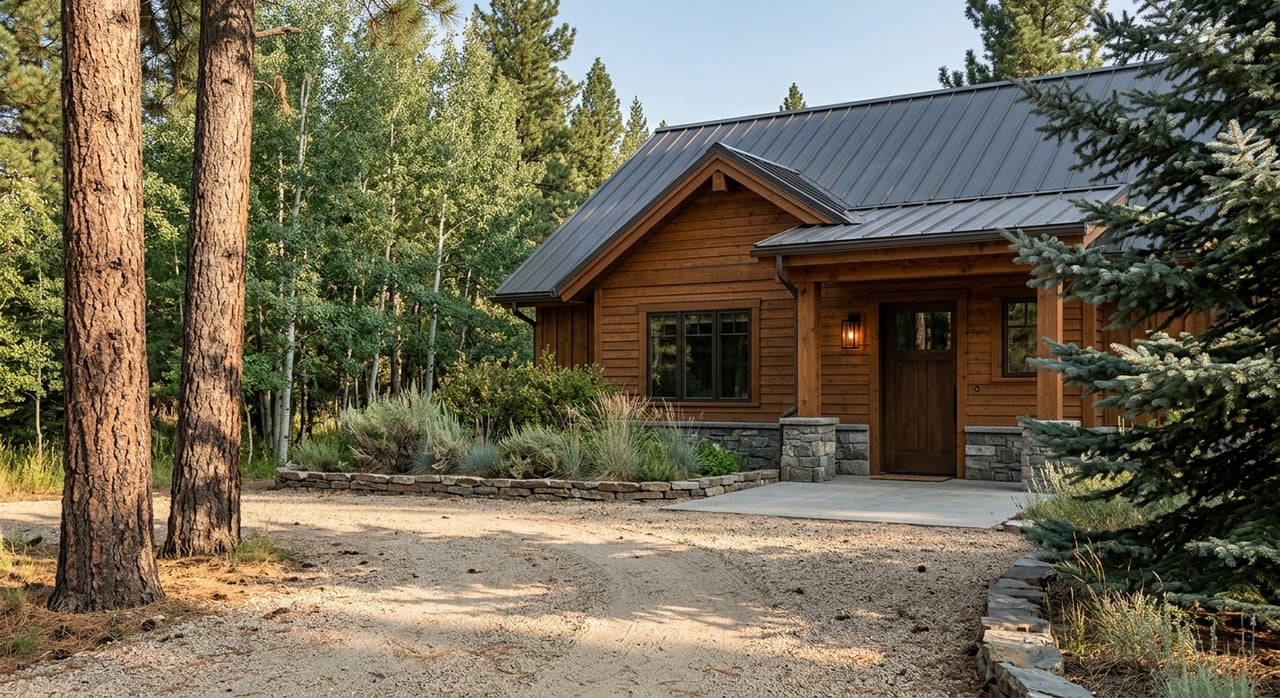
Elizabeth CO Real Estate & Lifestyle: Space, Commute, Fit
March 26, 2026
March 26, 2026
March 26, 2026
Craving more elbow room without giving up a realistic commute to Parker, the DTC, or Denver? You are not alone. Many buyers are eyeing Elizabeth for its small‑town feel, larger lots, and value compared to closer‑in suburbs. In this guide, you will learn what housing types are common, how utilities work on acreage, what the daily drive really looks like, and a simple checklist to help you decide if the trade‑offs match your lifestyle. Let’s dive in.
Elizabeth sits on the western edge of Elbert County, within the Denver metro orbit but with a quieter, semi‑rural pace. The official 2020 Census count reflects a smaller town, yet local planning documents point to notable growth after 2020 as new subdivisions came online near town. The county’s housing assessment documents this post‑2010 growth and cautions that 2020 numbers understate current realities because major filings were still ramping up at that time. You can see the context in the county’s Housing Needs Assessment and town meeting packets that reference active development and lot sizes. For additional planning context, the town’s meeting materials give a useful snapshot of recent approvals and scale of growth near town limits. Review the Town of Elizabeth meeting packet for examples.
Inside town, you will find newer subdivisions and planned unit developments with suburban‑style single‑family homes. Lots in these neighborhoods are typically modest in size, which keeps yard work manageable while offering a small‑town feel. Town filings such as Ritoro show lots that often range from about 5,000 square feet up to roughly 16,000 square feet, with details outlined in PUD documentation. To see how these ranges are recorded, review the compiled town packet with PUD references.
Town addresses are more likely to have municipal water and sewer, along with standard utility hookups. Streets are maintained by the town, and snow removal and services follow municipal schedules. If you prefer a walkable main‑street core and lower‑maintenance lots, this is where you will likely focus your search.
Outside the town limits, Elbert County’s rural districts include a wide spectrum of acreage options. It is common to see 1 to 5 acre parcels as well as larger 10 to 40 plus acre properties used for equestrian and hobby farming. Many of these homes rely on private wells and on‑site wastewater systems, with driveway and road maintenance that can vary by location.
County zoning and minimum lot expectations differ by district. If you are considering improvements, additional structures, or livestock, it pays to verify the parcel’s zoning and any recorded development conditions before you write an offer. The county FAQ is a good starting point for understanding rural utilities and subdivision standards. Check the Elbert County FAQ for zoning, wells, septic, and subdivision rules.
Because Elizabeth blends in‑town homes with acreage and horse properties, prices cover a wide range. A practical way to frame it is this: small‑lot homes and newer subdivisions often list in the mid to upper hundreds of thousands, while acreage and horse properties frequently move into the 700s to 1 million plus depending on acreage, outbuildings, and improvements. For a precise read on a specific property, rely on current MLS comps and local expertise rather than a single online median.
Within the town, many neighborhoods are governed by a PUD with recorded design standards, utility obligations, and open‑space or trail easements. In the county, agricultural and rural districts set expectations for density and uses. Before you tour, ask for any PUD Guides, recorded plats, and conditions of approval so you know what is allowed and what future connections or improvements are planned. Town packets often summarize minimum lot sizes, setbacks, and infrastructure obligations. You can see how these details appear in the Elizabeth compiled packet.
Acreage properties commonly use private wells and on‑site wastewater treatment systems. You will want a licensed well test, a septic inspection, and clarity on any water rights, shares, or augmentation plans tied to the parcel. County rules vary by lot size and subdivision status, and some filings require central solutions when lots fall below a certain acreage. Start permit checks early. The county outlines requirements in its Community & Development Services FAQ.
Utility availability can vary by address, especially on larger parcels. Confirm the electric and gas providers and whether any main‑line extensions are needed. Ask who maintains the access road, how snow removal is handled, and if any shared private road agreements exist. The county FAQ linked above is a helpful primer on these items.
For daily needs, you have an in‑town Safeway that anchors quick grocery and pharmacy runs. Many residents use this store for staples and then head to Parker or Castle Rock for larger shopping trips. Check local details via the Elizabeth Safeway listing. Elizabeth’s main‑street core includes local cafes, diners, and specialty shops that give the town its character. A local favorite, Elizabeth Brewing Company, reflects the small‑town, community‑gathering vibe many buyers appreciate.
Elizabeth is served by its local district, commonly referenced as Elizabeth C‑1 in state records, with neighborhood K to 12 schools in the area. Attendance boundaries can change, so verify any address‑specific school information directly with the district before you rely on it. If you need historical district context, the state libraries host references such as this Elizabeth C‑1 record. For childcare, you will find a mix of local options and additional choices in Parker and Castle Rock.
For full‑service hospital care and ER services, residents commonly use AdventHealth in Parker and Castle Rock. Specialty clinics and urgent care options are also available in those nearby hubs. Learn more about services at AdventHealth Parker.
Elizabeth’s position makes commuting into Parker, Castle Rock, the DTC, and Denver workable for many buyers who want more land. As a general guide, plan about 20 to 30 minutes to Parker, roughly 20 to 30 minutes to Castle Rock, around 40 to 55 minutes to the DTC, and about 45 to 70 minutes to central Denver depending on time of day and route. For context on routes and options, see Rome2Rio’s Elizabeth to Parker overview. CO‑86 is your main east‑west connector toward Parker or Castle Rock, while E‑470 and I‑25 carry you north toward the DTC and Denver. Commute patterns and cross‑county travel are discussed in the county’s Housing Needs Assessment.
Like anywhere along the Front Range, winter weather, road incidents, and peak‑hour traffic can add time. Many commuters find mornings a bit smoother than evening returns. If you have an on‑site schedule, consider timing a couple of trial drives during your actual work windows. If you have hybrid flexibility, Elizabeth’s peaceful setting often outweighs the extra minutes behind the wheel for buyers seeking acreage and lower density.
You might love Elizabeth if you want:
It may not be your best fit if you prefer:
Use this quick checklist to move from curiosity to clarity:
If you are weighing space, utilities, and drive time, local guidance makes all the difference. As a boutique, full‑service team with deep Front Range experience, we help you verify wells and septic, confirm PUD details, and pressure‑test commute routes before you commit. When you are ready to narrow your search, reach out to Dolby Haas for a calm, data‑informed path to the right Elizabeth fit.
Stay up to date on the latest real estate trends.
How the Right Strategy Turned Aspen Meadow Into a Successful Full-Price Sale
Real Estate
Real Estate
Summer Finally Found Its Footing
Real Estate
Why the Market Always Wins
Real Estate
Recent Listings That Didn’t Sell Until We Took Over
Dolby Haas has established a reputation for outstanding performance including several recording-breaking sales from Northern Colorado Springs, Evergreen, Greater Denver, and Broomfield. Contact him today!