Thinking about turning your basement into a suite or adding a small backyard house in Denver? You are not alone. ADUs are a smart way to create space for family, add rental income, and boost long-term flexibility. This guide shows you where ADUs are allowed in Denver, how to check your lot, what permits you will need, rough costs and timelines, and who to call for help. Let’s dive in.
What is an ADU?
An accessory dwelling unit (ADU) is a secondary, independent home on the same lot as your primary residence. It has its own place to sleep, cook, and bathe.
Common types in Denver include:
- Internal ADU: a converted part of your existing home, like a basement or in‑law suite.
- Attached ADU: a new addition connected to the main house.
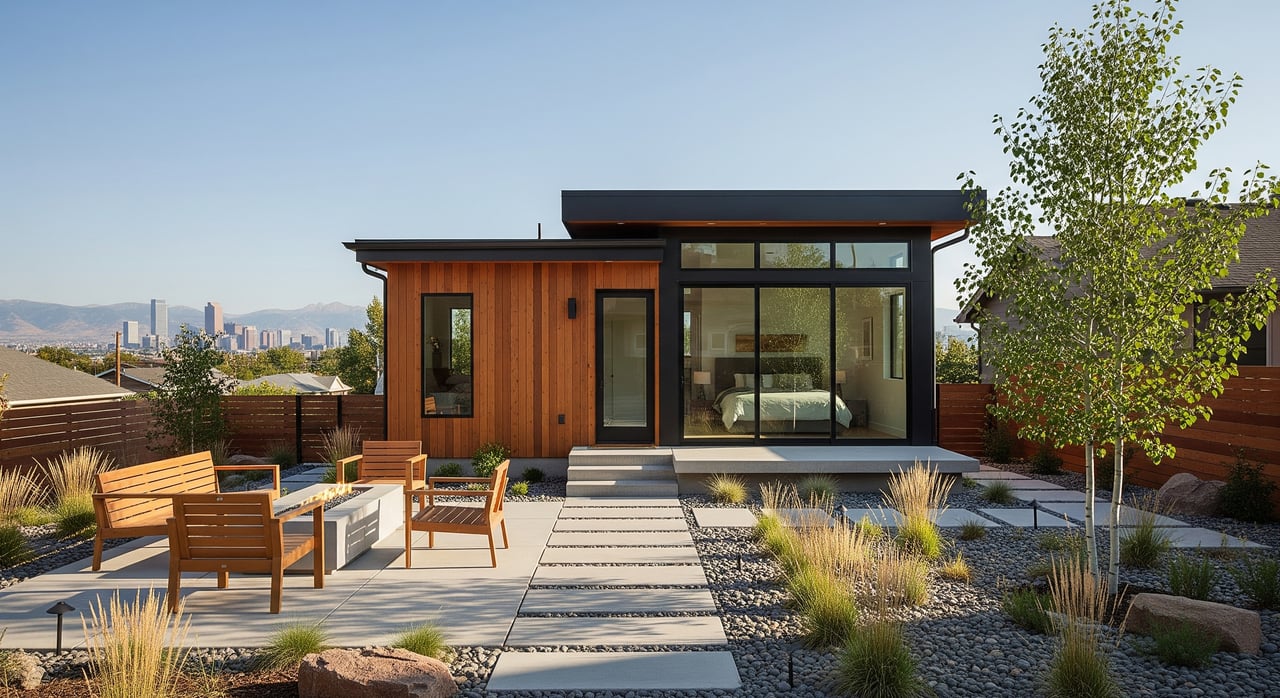
- Detached ADU: a separate structure, often a small backyard unit or a unit over a garage.
An ADU is not the same as a duplex or multifamily building. Those are separate primary uses under zoning. A shed or guest room without its own kitchen and bathroom is not an ADU.
Are ADUs allowed in Denver?
In many cases, yes. Denver’s zoning allows ADUs in a range of residential areas, but it depends on your parcel’s exact zoning district, any overlays, and private restrictions. The best first step is to confirm your property’s zoning and any overlays on the city’s mapping tools and then review the city’s ADU guidance.
- Start with the city’s overview on accessory dwelling units to understand the basics of use, placement, and review steps. You can find this on Denver’s official ADU guidance.
- Then locate your parcel’s zone and overlays in the city’s mapping tools. Look up your lot, take note of the district name, and download the parcel/zoning page where available. Begin with the Denver zoning map resources.
What affects eligibility
- Zoning district: Rules vary by zone and can set limits on ADU size, height, lot coverage, and parking. Check your parcel’s district standards in the zoning code.
- Overlays and special districts: Historic districts, design review areas, or conservation overlays may add steps or design limits.
- Building and life-safety codes: Egress, fire separation, energy code, mechanicals, and other safety standards apply.
- Private restrictions: HOA covenants, recorded plat notes, and easements can limit or prohibit ADUs even when zoning allows them.
- Parking and access: Some areas reduce or waive parking for ADUs, while others still require on‑site spaces. Rules depend on zone and location.
How to check if you can build an ADU
Follow these steps before you spend money on plans:
- Confirm zoning and overlays
- Use the city’s parcel and zoning tools to identify your zoning district and any overlays. Save the parcel report and zone name. Start with the Denver zoning map resources.
- Review Denver’s ADU guidance and your zone standards
- Read the city’s page on ADUs for a plain‑language overview, then look up the development standards for your exact zoning district. Begin at Denver’s official ADU guidance.
- Check restrictions beyond zoning
- If you are in a local historic district or own a designated landmark property, you will likely need design review and a Certificate of Appropriateness. Visit Denver Historic Preservation for process details.
- Review your HOA CC&Rs, recorded plat notes, and any easements on title. HOAs can restrict ADUs.
- Talk to utilities early
- Ask about meter options and service capacity for water, sewer, power, and gas. Start with Denver Water for water and sewer questions and Xcel Energy for electricity and gas.
- Consider a pre‑application review
- A pre‑application or zoning/permit pre‑review with Denver Development Services can surface setbacks, height, parking, drainage, and fire questions before you finalize plans.
- Decide on your use plan
Permitting, design, and timeline
The exact path depends on your lot and project type, but most Denver ADUs follow a similar flow.
Typical steps
- Preliminary checks
- Confirm zoning, HOA and plat restrictions, historic status, and basic utility feasibility.
- Design and plans
- Prepare a site plan that shows property lines, existing and proposed structures, setbacks, parking, and utility runs. Create code‑compliant floor plans and elevations. You may need structural and MEP (mechanical, electrical, plumbing) drawings.
- Permit submittal
- Submit to Denver Development Services with required plans and forms. If your property is in a historic district, include evidence of design approvals.
- Plan review
- Reviews often include zoning, building, fire, and engineering. Respond to comments and revise plans as needed.
- Inspections
- After your permit is issued, the city will inspect at key milestones such as foundation, framing, electrical, plumbing, and final.
- Final approval
- Once you pass all final inspections, the city issues a certificate of occupancy or equivalent final sign‑off so you can legally use the ADU.
How long does it take?
- Interior conversions can move faster, with permitting sometimes taking weeks to a few months and construction taking additional months.
- New detached ADUs usually take longer. Expect several months for permitting and plan review, and several months to about a year for construction depending on complexity and contractor availability.
- Plan for possible delays due to city workload. Early, complete plans and a pre‑application meeting can keep things moving.
Budget and financing
Every ADU is unique, but typical industry ranges for metro markets can help you frame a budget.
- Construction ranges: Many projects fall around 200 to 400+ dollars per square foot. Interior conversions are usually at the low end. Detached, fully finished units are higher. Get local contractor bids to refine your budget.
- Permit and fees: Denver’s permit fees vary by scope. Development Services can provide current schedules and estimates when you submit.
- Taxes and insurance: Added living area often increases assessed value and property taxes. Talk to the county assessor or your tax advisor. Update your insurance to cover the added structure and improvements.
- Financing: Consider cash, a HELOC, a construction loan, or a refinance. Some lenders have specific underwriting rules for ADUs.
Design, placement, and utilities in Denver
Your lot and zone control where and how an ADU can sit.
- Setbacks and coverage: The footprint of a detached ADU must fit within setback and lot coverage rules for your zone. Height for accessory structures is often lower than for the main house.
- Access and safety: Provide safe access to the unit, clear egress, and code‑required smoke and carbon monoxide alarms. Fire separations may be required between units.
- Parking: Some zones reduce or waive parking for ADUs, while others still require an additional on‑site space. Check your district standards.
- Utilities: You may be able to share or separate meters depending on project details and provider rules. Coordinate with Denver Water and Xcel Energy early to understand costs and meter options.
Renting your ADU in Denver
Many owners plan to rent an ADU for income or to support multigenerational living.
- Long‑term rentals: Generally allowed if you follow landlord‑tenant laws and any HOA rules.
- Short‑term rentals: Denver has registration and operational requirements, and primary‑residence rules may apply. Review the city’s licensing details before you design your unit or market it for nightly stays. Start with Denver’s short‑term rental rules.
When to bring in professionals
You can often explore an interior conversion on your own, but professional help pays for itself on most ADU projects.
- Architect or designer: Creates a code‑compliant site plan, floor plans, and elevations. Helps your design fit the neighborhood and any historic review.
- General contractor: Coordinates subs, schedules inspections, and manages costs. Look for ADU experience in Denver.
- Surveyor: Confirms property lines and easements so your site plan is accurate.
- Structural engineer: Essential for new structures and major conversions.
- Permit specialist: Optional, but helpful if your project has multiple reviews or you want to streamline submittals.
- Tax or finance advisor: Clarifies property tax impacts and rental income questions.
Your next steps
- Confirm your zoning and overlays and skim the city’s ADU page.
- Check HOA rules, plat notes, and any historic requirements.
- Talk to utilities about service and meter options.
- Book a pre‑application conversation with Development Services.
- Interview an architect and a contractor so you get realistic plans, timeline, and budget.
If you want a local, practical sounding board before you commit, reach out. As long‑time Denver Metro advisors, we can help you weigh ADU impacts on value, resale, and long‑term plans, and connect you with vetted local pros. When you are ready to buy or sell a home with an ADU opportunity, Dolby Haas is here to guide the process with clear steps and market‑smart strategy.
FAQs
Eligibility: Are ADUs legal on my Denver lot?
- It depends on your zoning district, overlays, and any private restrictions such as HOA rules or recorded plat notes; confirm zoning on the city’s map and review your documents.
Permits: Do I need a permit in Denver?
- Yes, ADUs require building permits and plan review; zoning review is part of the process before a permit is issued.
Rentals: Can I rent my ADU in Denver?
- Long‑term rentals are generally allowed if you follow laws and HOA rules; short‑term rentals require city registration and must meet Denver’s primary‑residence and operating standards.
HOAs: Can my HOA stop me from building an ADU?
- Yes, HOAs can restrict or prohibit ADUs through CC&Rs; you must comply with both city zoning and your HOA’s rules.
Costs: How much does an ADU cost to build?
- Costs vary, but a general range is about 200 to 400+ dollars per square foot, with interior conversions usually lower and detached units higher; get local bids.
Timeline: How long will permitting and construction take?
- Interior conversions can permit in weeks to a few months and build in additional months; detached units often take several months for permits and several months to about a year to build depending on complexity.